List your regular journeys and where the car will be parked. Check whether the charging locations, time and cost would work for you.
Map a normal week
List the journeys you make most often, including the occasional longer one. Note where the car spends time parked. This gives you a more useful starting point than looking at a single headline range figure.
Find your likely chargepoints
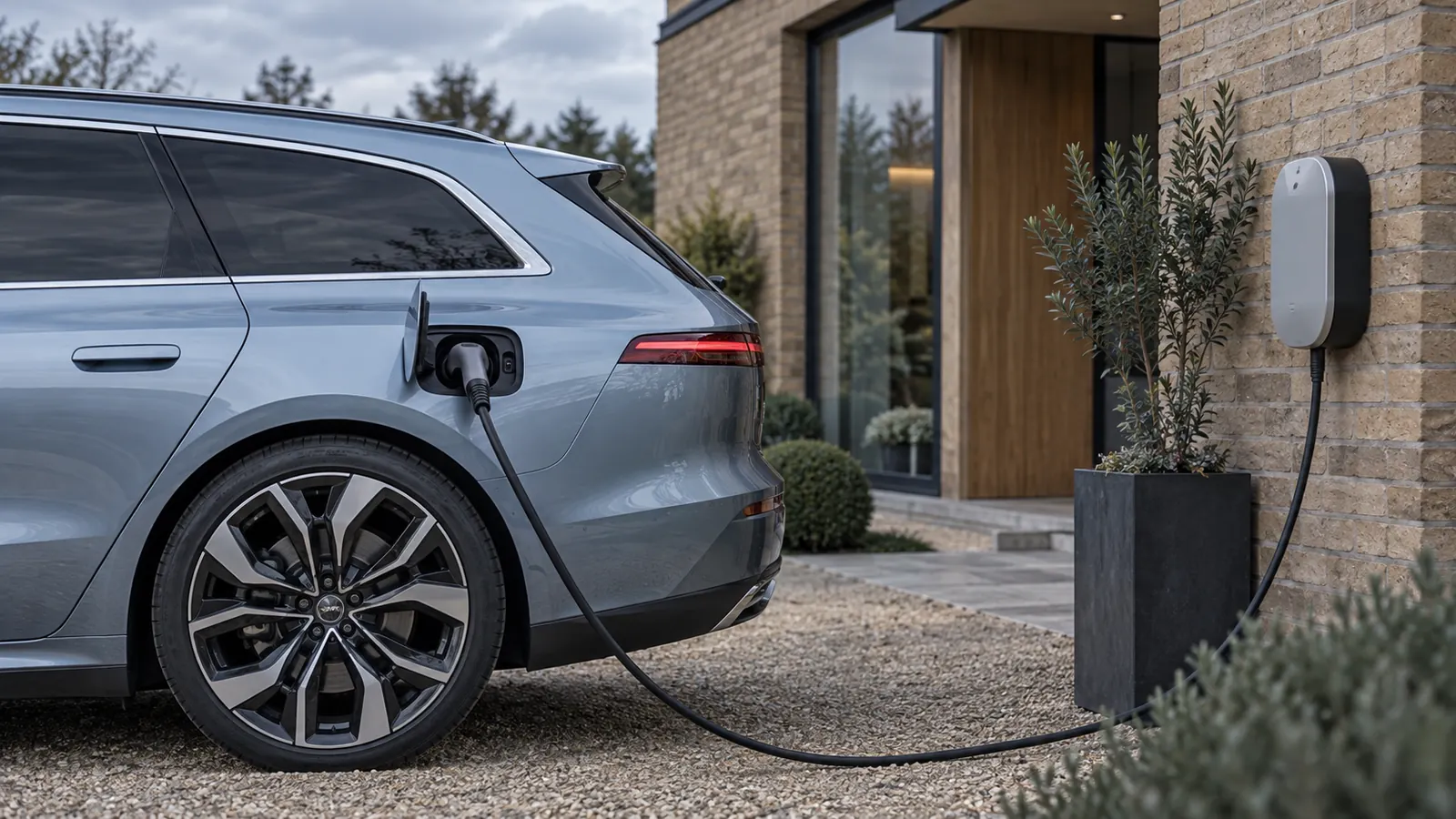
Charging can take place at home, at work or at public locations. Availability depends on where you live and travel. Look at the actual places you would use and check their current access conditions and prices, rather than assuming a charger shown on a map will fit your routine.
Have a backup charging plan
Think about a late arrival, a change of plans or a busy charging location. Having a realistic alternative can matter more than designing a perfect week. Ask an owner with a similar parking situation how their routine works, while remembering that a different car may charge differently.
Compare specific cars
Check the manufacturer’s current specifications for the exact version you are considering. Charging speed depends on both the car and the chargepoint; a powerful charger does not make every vehicle charge at its maximum advertised output.
Is home charging essential?
Some drivers use workplace or public charging. The practical question is whether the available locations, time and cost suit your own routine.