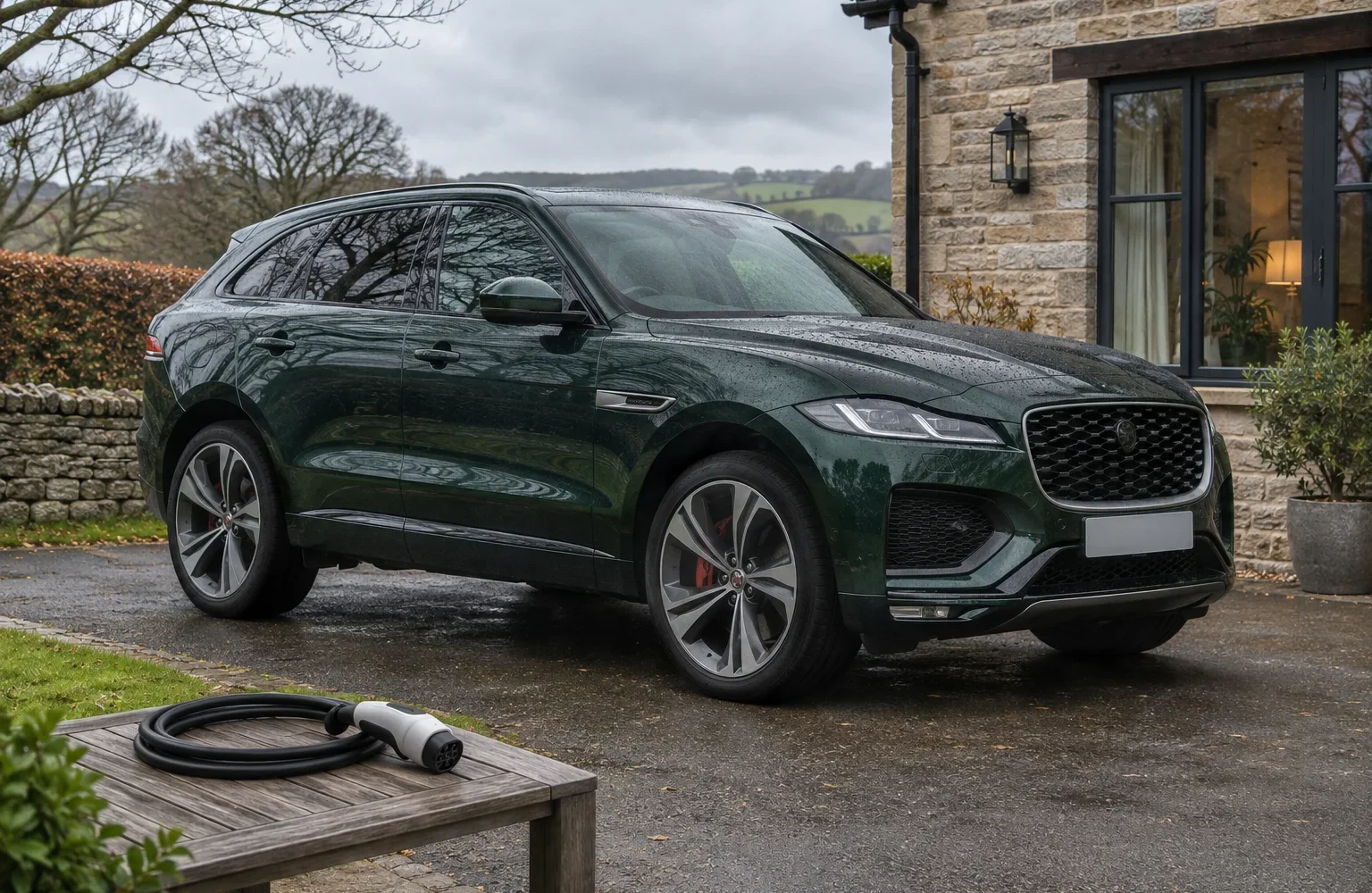
Before comparing two used Jaguar F-Pace P400e adverts, establish which battery specification each car was built with. The original UK launch described a 17.1kWh battery. The update announced for the 2024 model year raised the quoted energy storage capacity to 19.2kWh. A registration year alone is not the build confirmation you need. [5] [1]
Those figures describe the model specification. They are not a battery-health report for a used example, and this comparison does not treat them as measured usable energy.
The two published specifications
| Version in the announcement | Quoted battery capacity | Published electric-range claim |
|---|---|---|
| Original UK P400e launch, September 2020 | 17.1kWh | Up to 33 miles |
| 2024 model-year update, announced December 2022 | 19.2kWh | Up to 40 miles, WLTP TEL |
The later announcement describes nine battery modules instead of eight. Its range figures are laboratory comparison values, with real results affected by conditions and use. Do not convert the larger published capacity into a promised extra distance on your commute. [1]
There is also a naming trap: P400 and P400e are not interchangeable descriptions. The launch line-up distinguished the six-cylinder P400 mild hybrid from the four-cylinder P400e plug-in hybrid. Ask the seller to confirm the complete derivative, including the final letter. [5]
Ask for a build-based answer
Request the VIN and ask a Jaguar retailer to confirm the car’s model year, derivative and original battery specification against it. Compare that answer with the advert. If the seller reports a replacement battery or other relevant work, obtain the repair record too; the original build description does not document later work.
Keep the registration date, model year and date of an announcement in separate boxes on your notes. An announcement made in December 2022 can describe a 2024 model-year update. Guessing from the calendar year on a number plate can therefore put you in the wrong comparison group.
If an advert combines an earlier battery figure with a later range figure, ask for a corrected description. You do not have to diagnose why the mistake happened. You do need an agreed description of the car before using its specification to compare asking prices.
Separate three kinds of battery evidence
- Build specification: what the manufacturer originally fitted.
- A charging demonstration: what you observe the particular car doing during that session.
- A condition assessment: a dated report with an identified vehicle, method and explanation of the results.
One should not be substituted for another. A photo of a full battery icon does not identify a test method, and a successful charging session does not quantify battery degradation. If a seller advertises a battery-health percentage, request the report behind it and ask a suitably qualified assessor what that percentage measures and excludes.
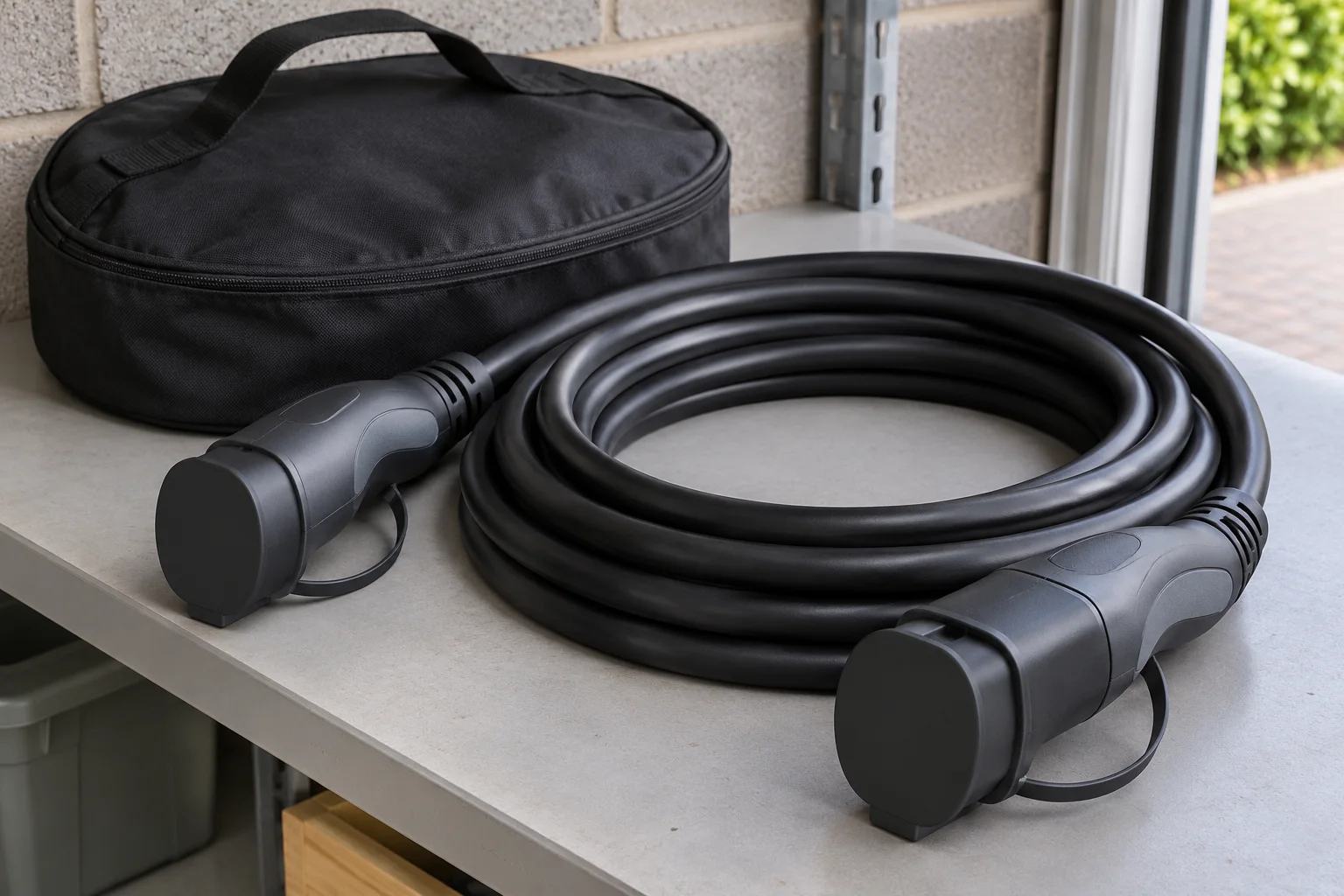
For a viewing, ask the seller to demonstrate normal charging using equipment appropriate to the car and following its handbook. Note the starting charge level, whether the car accepts charge, whether messages appear and what cable is included in the sale. This is an observation checklist, not an electrical test or a reason to handle damaged equipment.
Check the service file as well as the battery claim
The online service-history lookup uses the vehicle’s 17-character VIN. [2] Ask to see the record for the actual car, then reconcile it with invoices and any repair or diagnostic reports. A printout without a matching identity is not useful evidence for your shortlist.
Compare the dates and mileage with the Great Britain MOT history. [3] Check outstanding safety recalls by registration and obtain manufacturer guidance for any action shown. [4] These are separate checks; neither assesses the battery’s remaining capacity.
What if the car’s display predicts less range than the launch figure?
Do not calculate battery health by dividing the displayed estimate by the advertised range. They are not equivalent measurements. Record the circumstances, request any relevant diagnostic evidence and have concerns assessed. This article has not tested the car or established a pass/fail threshold.
Compare like with like before deciding
Put each shortlisted car on one line: confirmed build specification, mileage, service evidence, supplied charging equipment, assessment findings and asking price. Keep an unexplained claim marked as unknown. That makes it easier to see whether a more expensive example actually provides the specification and evidence you value.
Use the car viewing checklist for the rest of the appointment. The battery version is worth establishing early, but it is only one part of buying the whole vehicle.
Sources
- Jaguar / JLR — F-Pace electric hybrid: 2024 model-year battery update, 14 December 2022
- Jaguar — Online Service History vehicle lookup
- GOV.UK — Check the MOT history of a vehicle
- GOV.UK — Check if a vehicle, part or accessory has been recalled
- Jaguar UK / JLR — New Jaguar F-Pace: UK launch, 15 September 2020