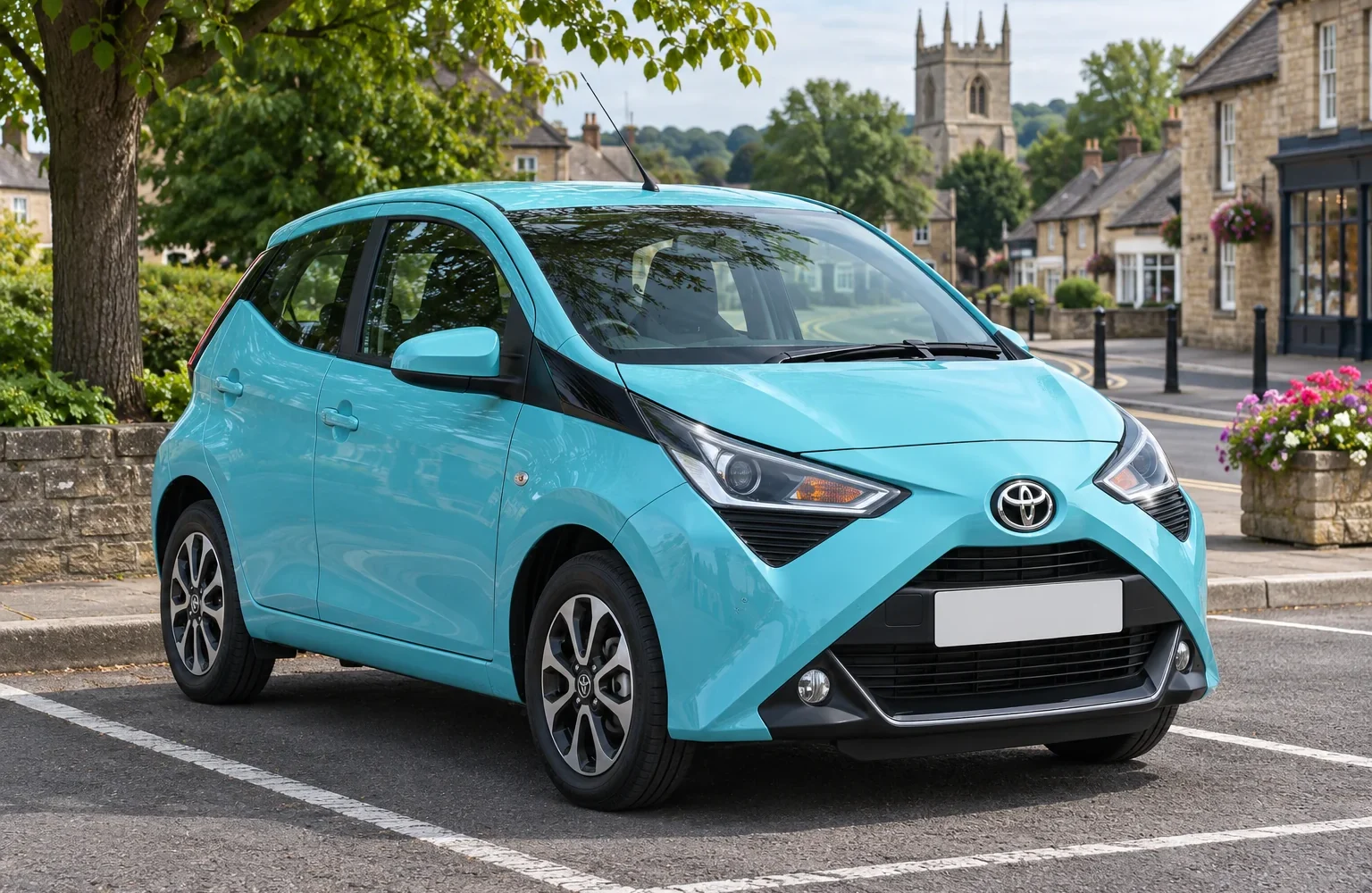
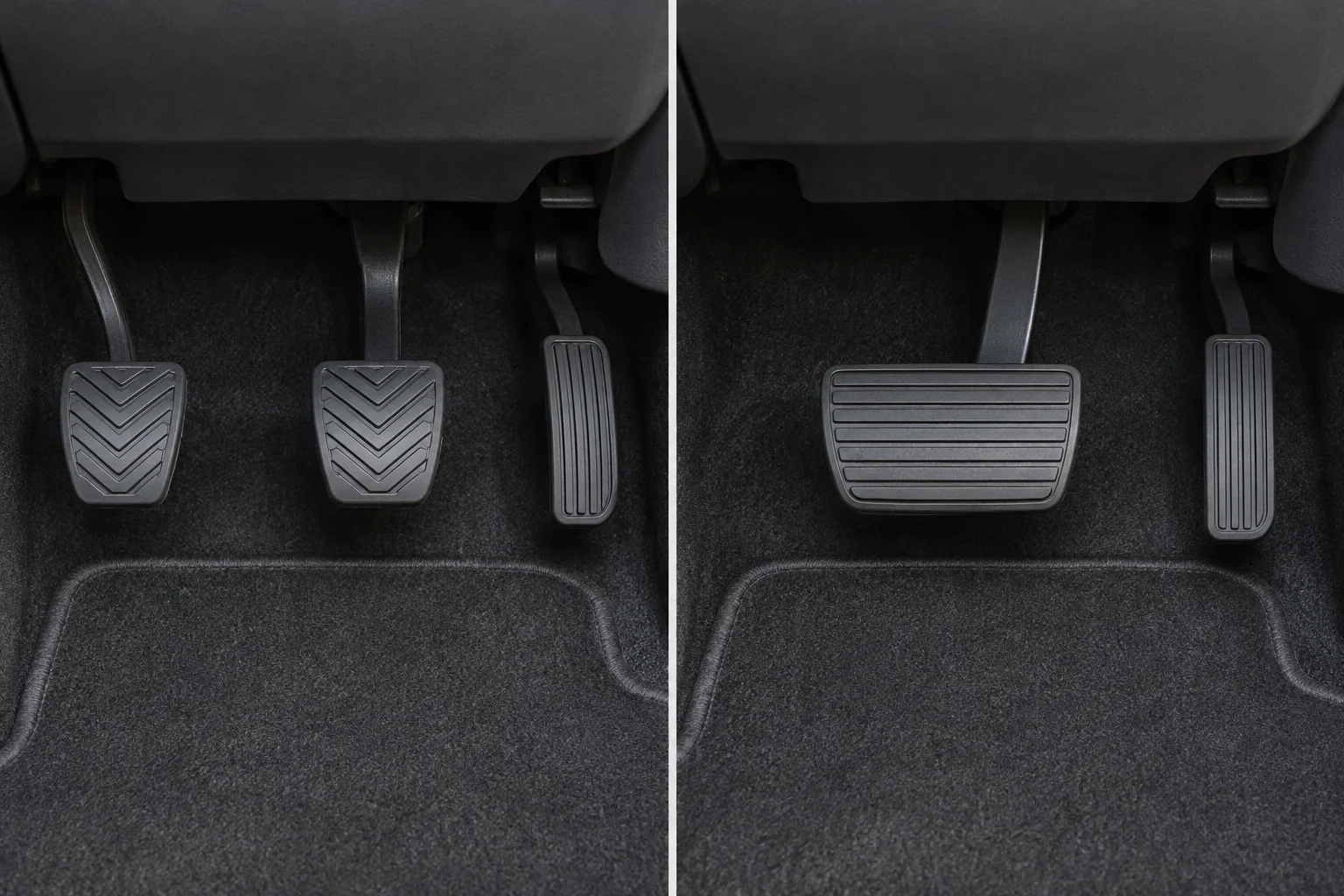
A used second-generation Toyota Aygo described as an automatic may have x-shift: an automated manual gearbox with no clutch pedal. Confirm that name against the car’s records before comparing it with other automatics. The two-pedal layout tells you how many pedals the driver uses, not the whole transmission design.
Know which Aygo you are viewing
Toyota’s model history dates the second-generation Aygo to 2014 and its update to 2018. [2] Its UK press kit for the revised 2018 car lists a five-speed manual and x-shift automated manual. This is the small Aygo hatchback covered here; establish the exact vehicle rather than applying these details to another generation or an Aygo X.
The press kit explains that x-shift uses computer control for the engine, clutch and transmission. The driver does not operate a clutch pedal. It describes an automatic E mode and manual gear selection in M mode. [1] The absence of a clutch pedal therefore does not mean the car has no clutch.
Why the distinction matters when choosing
“Automatic” is a broad description in an advert. If you have a particular driving experience in mind, establish the system fitted before deciding whether the car is suitable. Our guide to automatic gearbox types explains why several different mechanisms can sit behind that label.
Ask the seller for the full derivative, a clear photograph of the selector and the correct owner’s manual. Have the controls explained while the car is stationary. Use the manual for operating and parking instructions; a sales description is not a substitute for the procedure required by the vehicle.
| Advert or seller statement | What to request |
|---|---|
| “Automatic” | The named transmission and vehicle-specific specification |
| “Easy to drive” | A proper explanation and an appropriate, authorised demonstration |
| “Clutch replaced” | The invoice, date, mileage and exact work recorded |
| “Fully serviced” | The maintenance history and requirements for this engine and gearbox combination |
| “That behaviour is normal” | A vehicle-specific explanation and independent assessment if you remain concerned |
Assess suitability without inventing a diagnosis
Arrange a viewing that allows enough time to understand the controls. If a drive is appropriate and you have permission and the necessary cover, pay attention to whether the car suits your ordinary use. Record any warning or unexpected behaviour accurately and ask for it to be investigated before committing.
Do not decide from a brief journey that a clutch is worn out, or that an unexplained behaviour must be harmless because the gearbox is an automated manual. Those are different questions from whether you like the car. An independent inspection can address condition; a description of the system cannot certify it.
If an invoice records previous work, check that it identifies this car and the actual components involved. Ask what prompted the work and whether any follow-up was recommended. Avoid turning one repair receipt into an assumption about the remaining life of the entire transmission.
Does x-shift make the Aygo a better or worse buy than the manual?
The gearbox name alone cannot decide that. Compare your preferences, the condition of each car, its documented maintenance and any unresolved concerns. This explanation does not rank the two versions for reliability or predict repair costs.
Complete the records check
Compare recorded MOT mileage and results with the seller’s documents, and check recalls. [3] [4] Keep separate evidence of servicing and repair work. Before handover, confirm that the car, keys, manual and agreed equipment match what you viewed.