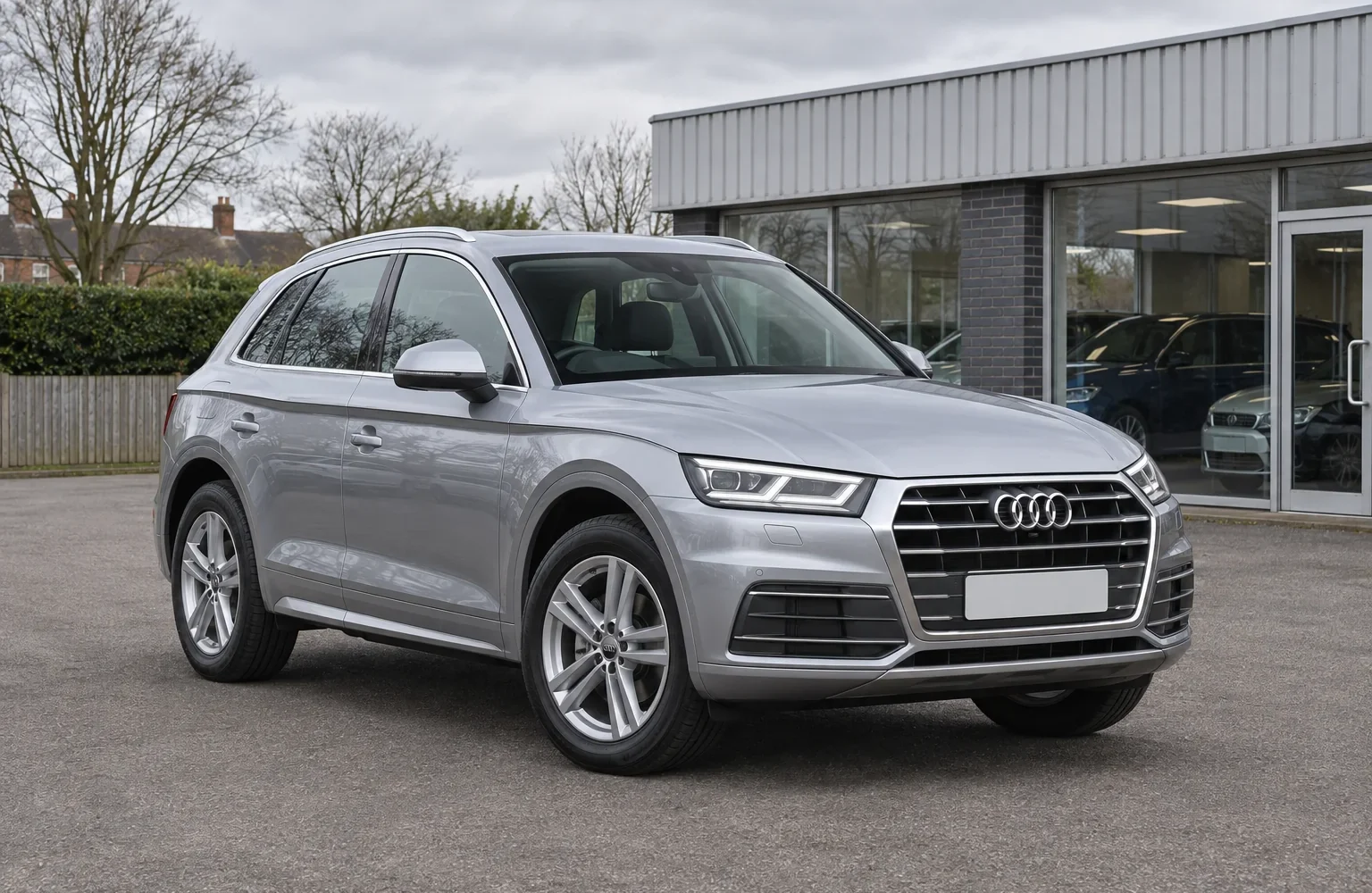
No: an Audi Q5 having drive select does not, by itself, establish that it has air suspension. For a used second-generation car, confirm the suspension in vehicle-specific equipment records before treating it as a valuable option. A driving-mode menu and a photograph of the car sitting at a particular height are insufficient evidence.
Separate the three descriptions
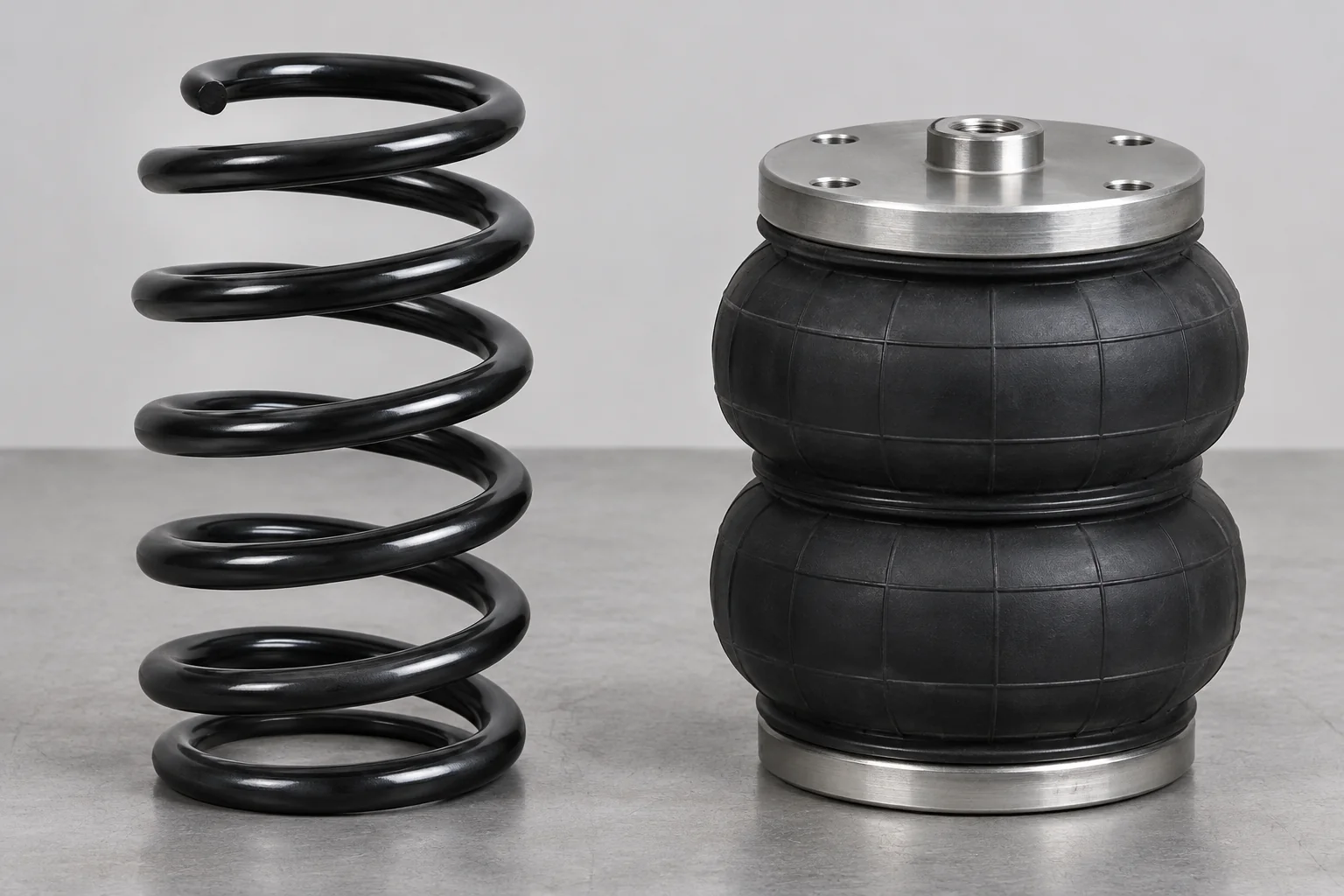
Audi’s November 2016 technical information for the then-new Q5 describes drive select as standard. It also discusses suspension with damper control and optional adaptive air suspension. The air-suspension system adds control of ride height. These descriptions should not be treated as interchangeable. [1]
The practical implication is simple: ask the seller to identify the hardware, not just a menu heading. This article concerns that launch-generation distinction. Later specifications and individual UK cars must be checked against their own model year and build information.
| Evidence offered | Useful conclusion | Question still open |
|---|---|---|
| Drive select appears on screen | The car offers a driving-mode interface | Which suspension hardware is fitted? |
| An advert says adaptive suspension | The seller is making an equipment claim | Does the vehicle record specify controlled dampers, air suspension or something else? |
| A vehicle-specific equipment list names adaptive air suspension | There is documentary support for the specification | Is the system present, working correctly and free of unresolved concerns? |
| A repair invoice is supplied | It records stated work on a particular date | Does it match this vehicle, and was any follow-up recommended? |
Ask for the specification before travelling
Request the registration, model year, full derivative and an equipment record linked to the car. If an option code is supplied without an explanation, ask Audi or a knowledgeable seller to identify it. Save the advert alongside that response so you can resolve a discrepancy before making the journey.
Ask whether any suspension work has been carried out and request invoices. Record what the documents actually say: the date, mileage, named component and any remaining recommendation. A statement such as “suspension done” leaves too much unanswered to serve as a useful maintenance record.
Keep a viewing separate from a diagnosis
Have the seller explain the fitted system using the correct owner’s manual. If a warning is displayed or something looks wrong, note the exact message and circumstances for an independent inspection. Do not accept a casual explanation of “they all do that” as evidence that a concern has been resolved.
A photograph cannot tell you the cause of an apparent ride-height difference. Nor does one demonstration establish the long-term condition of every component. Arrange a workshop assessment if the suspension is central to the purchase decision; this is particularly useful when the advert, paperwork and demonstration disagree.
Should I reject a Q5 without air suspension?
That is a preference question, not a reliability verdict. Decide whether the actual car meets your needs and compare like-for-like equipment. If air suspension is essential to your search, make confirmation of that specification an early condition rather than an assumption based on trim.
Finish with the wider record check
Compare the MOT history and recorded mileage with the seller’s papers, and check the recall position. [2] [3] Use our car viewing checklist for the rest of the inspection. Neither a desirable option nor a tidy equipment list answers the broader question of how this individual car has been maintained.