
On a used second-generation Audi A1 Sportback, ask what the screens can do rather than simply whether they are digital. A photographed instrument display, a navigation claim and a phone-connection claim describe different things. Verify each feature you want on the actual car.
Identify the 2018-generation car
Audi’s June 2018 announcement introduced the second-generation A1 Sportback ahead of a European autumn launch. Its launch specification distinguished a 10.25-inch digital instrument display from the optional Audi virtual cockpit, which offered additional functions. MMI navigation plus was another configuration, with a 10.1-inch central touchscreen. [1]
That international announcement is a reference, not a guarantee about a particular UK car’s trim or options. Obtain the full derivative and model year, and compare the seller’s photographs with the vehicle you inspect. Do not assume every car registered in the launch year has the same generation or dashboard.
Separate three equipment questions
First, check the instruments behind the steering wheel. Ask the seller to show the views available while parked. Second, ask how the central navigation works and demonstrate a destination search if that feature is promised. Third, connect your own compatible phone using the intended connection method, with permission, and check the functions you actually need.
Keep a photograph of the advert and a simple feature list. If “virtual cockpit” or “sat nav” appears in the description, ask the seller to identify the precise equipment behind that wording. A screen displaying vehicle information does not settle a navigation question. A phone pairing successfully does not establish that every advertised phone function works.
| Advert wording | Ask to see |
|---|---|
| Digital instruments | The available instrument views on the actual car. |
| Navigation | A working destination search and an explanation of any account or service requirement. |
| Phone integration | Your intended phone function using the appropriate connection. |
| Automatic gearbox | The exact transmission description matched to the vehicle’s identity and records. |
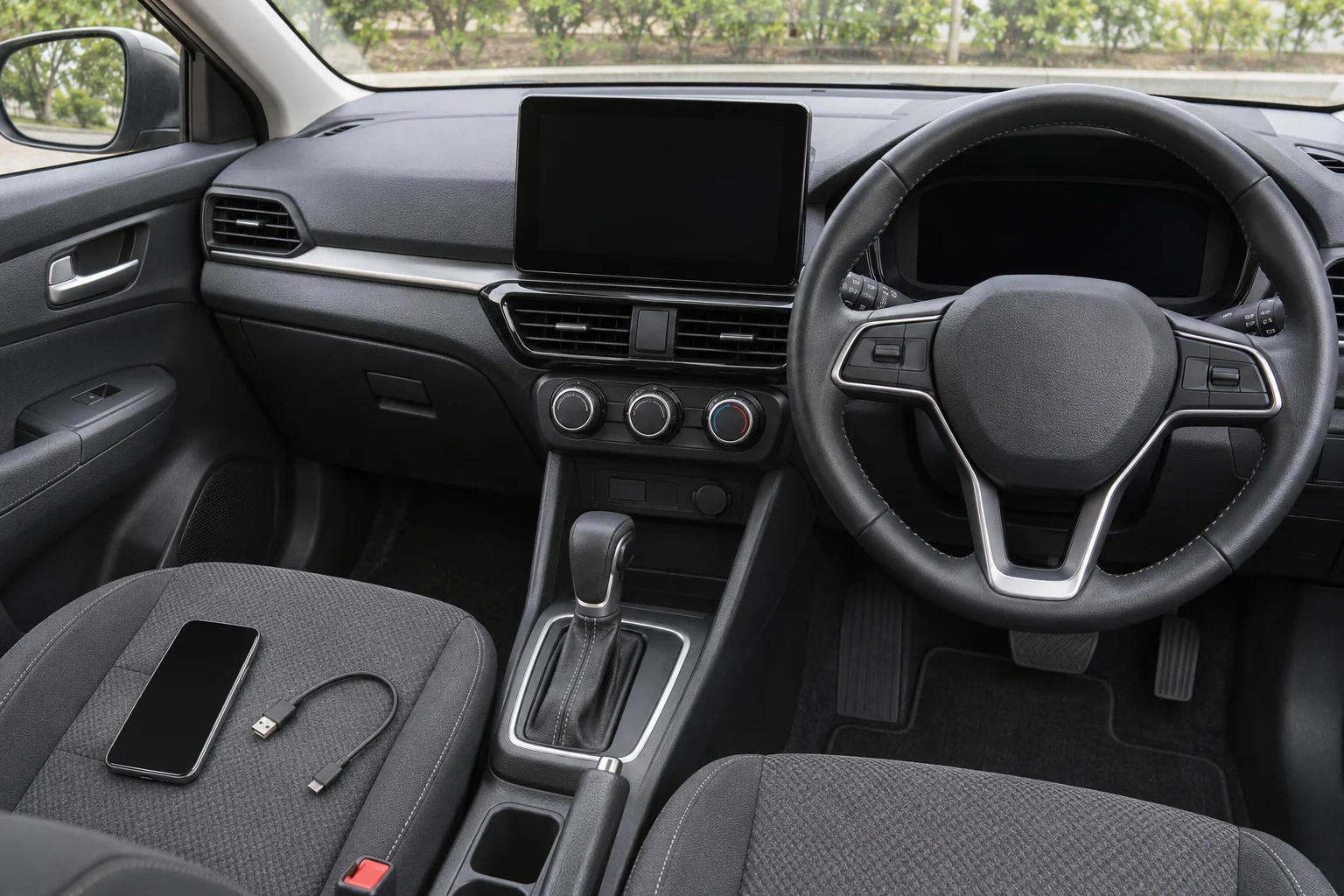
Clarify account and accessory questions
If a demonstrated feature relies on the seller’s phone or account, ask what the buyer needs after handover. Have the seller explain any subscriptions or activation requirements and verify them for the car before relying on the feature. Do not carry an old launch offer forward as a current entitlement.
Confirm which cables and keys are included. Where phone connectivity matters to your daily use, record the connection method that worked rather than a general “Bluetooth checked” note. Remove your personal pairing or account information after a viewing if you are not buying the car.
Identify the transmission without diagnosing it
The launch range included manual and S tronic transmissions. [1] Ask for the exact engine and gearbox combination, then request the applicable servicing requirements and evidence of completed work. This is more useful than assuming every A1 with an automatic selector shares one specification.
If operation raises a concern, arrange an appropriate independent inspection. This checklist does not diagnose gearbox wear from a brief drive or identify a fault rate for the model. Note what you observed and what remains unexplained, without turning an impression into a mechanical conclusion.
Bring the records into the decision
Compare the official MOT history with the mileage and documents presented, and check the outstanding recall position. [2] [3] The broader viewing checklist keeps those tasks alongside the equipment checks.
What if the advert promises more than the demonstration shows?
Ask for a corrected description and vehicle-specific evidence before deciding. Mark each unverified feature separately. A useful explanation should establish what is fitted and what is required to use it, rather than just repeating a trim name.
Save the agreed equipment list with your purchase paperwork. It gives you a clear basis for checking that the same keys, accessories and promised functions are present at handover.